Cambridge is no stranger to transformation. From the medieval colleges along King’s Parade to the cutting-edge research facilities at the Biomedical Campus, the city has long balanced heritage with innovation. Now, another shift is on the horizon. The planned Cambridge South station represents one of the most significant infrastructure investments in the region, and buyers and investors are already taking notice of its potential impact on CB2 property prices.
For those considering a move or investment in the CB2 postcode, understanding how this development could influence property values, rental demand, and neighbourhood appeal is key. While Cambridge South station is still under development and not yet open, its long-term impact is already shaping local market sentiment.
The strategic importance of Cambridge south station
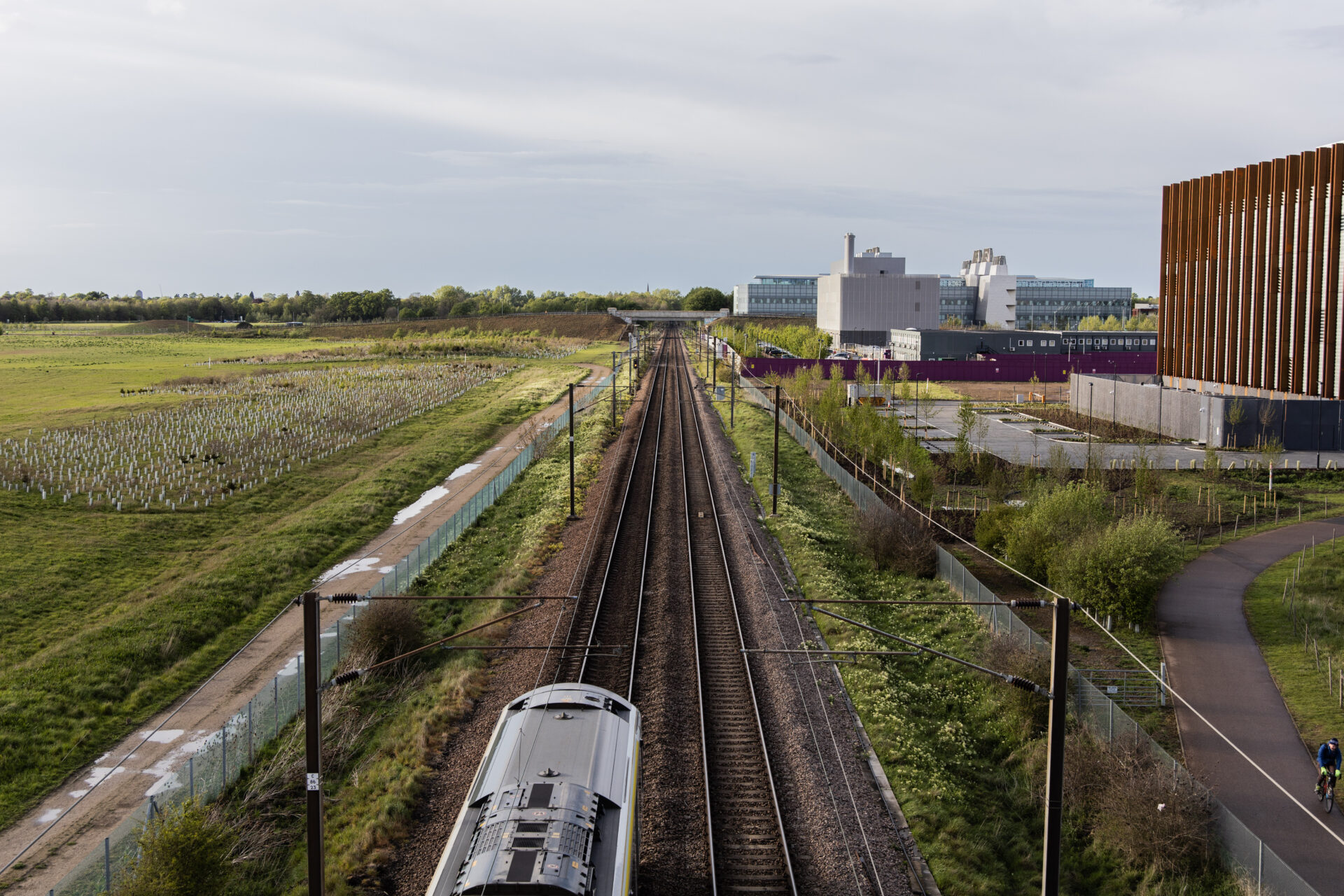
Cambridge South station is expected to be the city’s first new railway station in over a century. It is being developed to serve the rapidly expanding Biomedical Campus and the southern fringe of Cambridge.
Once operational, the station is expected to provide direct links to London King’s Cross in under an hour. This would strengthen connections between one of Europe’s leading life sciences hubs and the capital’s business districts.
The location reflects long-term planning. The Cambridge Biomedical Campus is already the largest centre of medical research and health science in Europe, employing more than 20,000 people. This includes Addenbrooke’s Hospital, AstraZeneca’s global research headquarters, and a growing number of biotech firms. Projections suggest this workforce could reach 30,000 by 2030, which is likely to increase demand for housing nearby.
Connectivity and commuter appeal
Improved transport links have a clear influence on buyer behaviour. Properties in Trumpington are currently around a 15 to 20 minute cycle from Cambridge station. A new station closer to the Biomedical Campus is expected to reduce travel time and make commuting more convenient.
This could make CB2 more appealing to London commuters, university staff, and professionals working in science and healthcare. Areas that were once considered slightly further out may begin to feel more connected.
Early indicators already suggest rising interest. Some local agents report increased viewing requests for homes near the proposed station site. This reflects patterns seen in other parts of Cambridge, where infrastructure improvements have supported property price growth over time.
CB2 property price trends
The CB2 postcode includes Trumpington, parts of the Biomedical Campus, and areas along Addenbrooke’s Road. Average property prices currently sit at around £475,000 for a typical three-bedroom semi-detached home. This reflects steady growth in recent years.
There is variation within the postcode. Newer developments such as Trumpington Meadows and Great Kneighton often achieve prices above £550,000 for family homes. Older properties in more established parts of Trumpington may offer entry points closer to £425,000.
This mix gives buyers and investors a range of options depending on budget and long-term goals.
What could happen to prices over time
Looking at similar infrastructure projects can offer useful context. When Cambridge North station opened in 2017, nearby areas saw property prices increase more quickly than the wider city over the following years.
While outcomes are never guaranteed, some analysts expect a similar pattern in CB2 once Cambridge South station becomes operational. Conservative projections suggest price growth could strengthen in the years following completion, particularly for homes within walking distance.
That said, property markets depend on many factors, including interest rates, supply, and wider economic conditions. The station is one part of a broader picture.
Rental demand in the biotech corridor
CB2 is already a strong rental market, driven by the Biomedical Campus. The area attracts professionals working in healthcare, research, and technology.
Average gross rental yields in CB2 are typically between 4.2 and 4.8 per cent, slightly above the Cambridge average. A three-bedroom home in Trumpington can achieve between £1,800 and £2,100 per month, while two-bedroom apartments near Addenbrooke’s often let for £1,400 to £1,650.
Improved transport links are expected to support continued demand, particularly from tenants who value convenience and proximity to work.
A different type of tenant
The tenant base in CB2 differs from more student-heavy areas of Cambridge. Many renters are professionals with stable incomes and longer-term plans. This can mean fewer void periods and more consistent tenancies for landlords. As the Biomedical Campus continues to grow, demand from this group is likely to remain steady.
Trumpington’s changing character
Trumpington has evolved significantly over the past decade. Once a small village, it is now a well-established part of Cambridge with a mix of old and new. The High Street still reflects its heritage, with local pubs, independent shops, and historic buildings. At the same time, developments like Great Kneighton have introduced modern homes, schools, and green spaces.
This blend appeals to families and professionals who want a sense of community without losing access to the city.
Infrastructure and everyday convenience
The area already benefits from strong infrastructure. The guided busway connects Trumpington to Cambridge station and the Science Park. The M11 provides access to London and the wider region. Local amenities continue to grow alongside the population. Supermarkets, schools, and community facilities support day-to-day living. Proximity to Addenbrooke’s Hospital is also a key draw for many buyers and tenants.
Investment considerations
For buyers and investors, timing plays an important role. Purchasing ahead of the station becoming operational may offer an opportunity to benefit from future growth. However, this approach requires a long-term view. Homes close to the planned station site are likely to attract the most attention. New builds may appeal to tenants seeking modern living, while older properties could offer renovation potential and lower entry prices.
Balancing growth and income
Different strategies suit different buyers. Those focused on capital growth may look at family homes in popular school catchments. Investors seeking rental income might prefer smaller properties that appeal to professionals. Many buyers aim for a balance of both. Choosing the right property depends on budget, goals, and how long the investment is likely to be held.
Looking ahead
Cambridge South station is still under development, but its influence is already being felt. As progress continues, attention on CB2 and Trumpington is likely to increase. For buyers and investors, the area offers a combination of strong employment, improving connectivity, and a growing community. These factors support long-term appeal, even as timelines evolve.
If you are thinking about buying, selling, or investing in South Cambridge, local knowledge makes a difference. The team at Belvoir Cambridge understands the CB2 market and can help you make informed decisions based on current conditions and future potential.
Start by getting a clear picture of your property’s value with a free, no-obligation valuation. Whether you are planning your next move or exploring investment opportunities, now is a good time to understand what CB2 could offer.