
There are postcodes, and then there is CB1. Few areas in the UK manage to pack so much character, convenience, and genuine lifestyle appeal into a single postcode. CB1 sits at the heart of Cambridge, stretching from the buzz of the city centre southward through the vibrant Mill Road corridor, past the transformed Cambridge Station quarter, and out towards the quieter residential streets of Cherry Hinton and Teversham.
It is a place where a Victorian terrace sits a short walk from a sleek, station-quarter apartment. Where independent coffee shops, international delis, and community markets line the same street. Where you can cycle to work, catch a direct train to London in under 50 minutes, and still be home in time to walk across Parker’s Piece before dinner.
Whether you are buying your first home, upsizing, renting as a young professional, or building a lettings portfolio, CB1 offers something genuinely compelling. This guide covers everything you need to know.
An area with real character
CB1 is not a single-note neighbourhood. It is a layered, evolving postcode with distinct pockets, each with its own personality.
The station quarter has been transformed over the past decade into one of the most ambitious urban regeneration projects outside London. The CB1 development brought with it modern apartments, hotel accommodation, office space, and improved public realm, all anchored by Cambridge Station itself.
Mill Road, running southeast from the city centre, is arguably Cambridge’s most loved street. It is independent, diverse, and fiercely community-minded. You will find Ethiopian restaurants alongside Turkish bakeries, vintage shops next to artisan coffee roasters, and a Saturday market that draws people from across the city.
Further out, Cherry Hinton and Teversham offer a more suburban feel, with family homes, good schools, and a quieter pace of life, while still benefiting from CB1’s excellent connectivity.
Property types and average prices in CB1
CB1 offers one of the most varied property mixes in Cambridge, which is part of what makes it so broadly appealing across different buyer and tenant profiles.
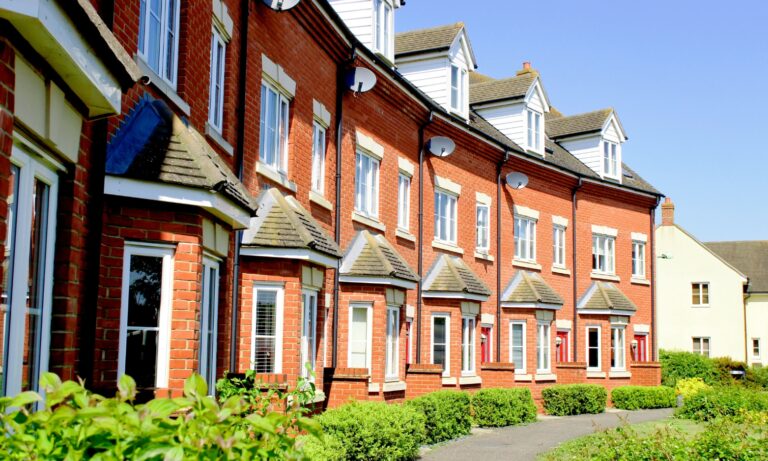
Victorian terraces dominate much of the inner postcode, particularly around Mill Road and the streets running off it. These homes are perennially popular for their character, generous room sizes, and strong resale demand. Further out, 1930s semi-detached and detached family homes are common in Cherry Hinton, offering more space and garden room.
The station quarter has added a significant stock of modern apartments to the CB1 mix, ranging from studio and one-bedroom units aimed at professionals to larger two-bedroom apartments with concierge facilities.
The average property price in CB1 sits at approximately £550,000, which sits slightly below the Cambridge city average of £580,000, making it a relatively accessible entry point into one of the UK’s most resilient property markets. Demand from London commuters remains exceptionally strong, and the chronic undersupply of homes across Cambridge continues to support prices heading into 2026.
For buyers, CB1 represents a rare combination: genuine lifestyle appeal, strong long-term capital growth, and a market that holds its value even during national downturns.
The rental market and investment case for CB1
CB1 is one of the strongest rental postcodes in Cambridge, and the numbers reflect that. Average rents in CB1 sit at approximately £1,800 per calendar month, with gross yields averaging around 4%. While this sits slightly below the higher-yield opportunities available in CB4 and CB5, CB1 compensates with consistently low void periods, a deep and diverse tenant pool, and strong capital appreciation over time.
The tenant profile in CB1 is broad. Young professionals working in the tech and life sciences sectors, postgraduate students, medical staff from Addenbrooke’s Hospital, and London commuters seeking a better quality of life all compete for well-presented rental properties here.
For landlords managing single lets, the Victorian terraces and station-quarter apartments perform particularly well. For portfolio landlords and investors considering HMO opportunities, the proximity to Anglia Ruskin University and the city centre makes certain streets within CB1 well suited to that strategy, subject to appropriate licensing and planning considerations.
Cambridge as a whole remains a landlord’s market. Supply is severely constrained, demand is structural rather than cyclical, and the pipeline of new rental stock is limited. Belvoir Cambridge works with landlords across all portfolio sizes, from single-property owners to multi-unit investors, providing lettings management, compliance support, and market appraisals tailored to the CB1 market.
Transport and connectivity
CB1’s transport credentials are exceptional, and for many buyers and tenants, they are the deciding factor.
Cambridge Station sits within the postcode and offers direct services to London King’s Cross in under 50 minutes and to London Liverpool Street in approximately 80 minutes. This makes CB1 one of the most commuter-friendly postcodes in the country for those working in London but wanting to live somewhere with more space, better schools, and a higher quality of life.
Road connections are equally strong. The M11 provides direct access to London and Stansted Airport, while the recently upgraded A14 improves east-west connectivity across the region.
Cambridge is also the cycling capital of the UK, and CB1 is well served by dedicated cycle routes. The Chisholm Trail, a flagship cycling and walking route, connects the station area northward through the city, making car-free commuting a genuine daily reality for many residents.
The ongoing development of East West Rail, which will eventually link Oxford and Cambridge, is expected to further enhance CB1’s connectivity and long-term investment appeal.
Schools and education
Families considering CB1 will find a strong selection of schools within and around the postcode.
At primary level, Spinney Primary School holds an Outstanding rating from Ofsted and is well regarded by local families. St Alban’s Catholic Primary is another outstanding-rated option for those seeking a faith school.
At the secondary level, Parkside Community College is an outstanding-rated school with a strong academic record and sits conveniently close to the city centre. Hills Road Sixth Form College, consistently ranked among the top state sixth forms in the UK, is a major draw for families with older children.
For independent education, The Perse School and The Leys are both within easy reach of CB1 and attract families from across the city and surrounding villages.
The presence of the University of Cambridge and Anglia Ruskin University also shapes the character of the area, contributing to its intellectual energy and the diversity of its population.
Mill Road: the lifestyle that sets CB1 apart
No area guide for CB1 would be complete without dedicating proper space to Mill Road. It is, quite simply, one of the best streets in Cambridge.
Mill Road is the antithesis of the high street clone. Every business here is independent. The food offerings alone span Ethiopian, Turkish, South Asian, Middle Eastern, Italian, and Japanese cuisines, often within a few minutes’ walk of each other. International supermarkets sit alongside organic grocers, and the Mill Road Winter Fair each December is one of the most beloved community events in the city.
The street also has a strong community identity. Residents here tend to be engaged, vocal, and proud of what makes Mill Road different. For buyers and tenants who value neighbourhood character and a genuine sense of place, this is a significant draw.
For landlords, proximity to Mill Road is a genuine selling point when marketing a property to prospective tenants. Well-presented homes within walking distance of the street consistently attract strong interest and competitive rental offers.
Parks, green spaces, and leisure
CB1 is not short of green space, which is one of the things that surprises people who assume a central postcode means sacrificing outdoor living.
Parker’s Piece is one of Cambridge’s most iconic open spaces, a large, flat common right in the heart of the city that hosts everything from casual cricket matches to community events. It is a short walk from much of CB1 and is a genuine focal point for local life.
Cherry Hinton Hall Park, further into the postcode, offers a more traditional park setting with a lake, formal gardens, and open grassland. It hosts the Cambridge Folk Festival each summer, one of the UK’s most celebrated music events.
The River Cam is also accessible from CB1, and punting, rowing, and riverside walks are all part of the lifestyle that makes Cambridge so distinctive.
For those who want more structured leisure, the city centre’s gyms, swimming pools, and arts venues are all within easy reach.
Who is CB1 ideal for?
CB1 works for a remarkably wide range of people, which is one of the reasons it performs so consistently well in both the sales and lettings markets.
For buyers, it suits London commuters who want a better quality of life without sacrificing connectivity, families drawn by the schools and green spaces, and professionals working in Cambridge’s tech and life sciences sectors.
For tenants, it attracts young professionals, postgraduate students, medical staff, and those relocating to Cambridge for work who want to be close to the station and the city’s amenities.
For sellers, CB1 is a strong market. Properties here are in consistent demand, and the combination of period character and modern convenience means well-presented homes attract competitive offers.
For landlords and investors, CB1 offers a reliable, low-void lettings market with a broad tenant pool, solid yields, and strong long-term capital growth. Whether you are managing a single buy-to-let or building a portfolio, the fundamentals here are sound.
The future of CB1
CB1 is not standing still. The Cambridge 2040 Vision, backed by central government, positions Cambridge as Europe’s science capital, with significant housing, infrastructure, and business park investment planned over the coming decades.
The Civic Quarter Project, a major 2025 and 2026 initiative by Cambridge City Council, is reimagining the Market Square, Corn Exchange, and Guildhall, enhancing the cultural and retail offer that CB1 residents already benefit from.
East West Rail, when complete, will further cement Cambridge’s position as a central hub in the UK’s innovation economy, driving continued demand for property across the city and particularly in well-connected postcodes like CB1.
For buyers and investors, these are not abstract future promises. They are structural drivers of demand that support the long-term case for owning or investing in CB1 property.
Ready to make your move in CB1?
Whether you are looking to buy your first home, find the right rental property, sell with confidence, or grow a lettings portfolio, Belvoir Cambridge is here to help.
Our team at Belvoir Cambridge knows this postcode inside out. We work with buyers, sellers, tenants, landlords, and investors across CB1 and the wider Cambridge area every day, and we bring local expertise, honest advice, and a genuine commitment to getting the right result for every client.
Browse our current properties for sale and to rent in CB1, or get in touch with Belvoir Cambridge to book a free sales valuation or lettings appraisal. Whatever your next move looks like, we would love to be part of it.
Visit us at 1 Dover Street, Cambridge, CB1 1DY, or contact the team today.
Frequently asked questions about living in CB1 Cambridge
What is the average property price in CB1 Cambridge?
The average property price in CB1, Cambridge, is approximately £550,000 as of 2026, slightly below the city-wide average of £580,000. Prices vary significantly depending on property type, with Victorian terraces, modern station-quarter apartments, and family homes in Cherry Hinton all sitting at different price points within the postcode.
What are the average rents in CB1, Cambridge?
Average rents in CB1 Cambridge are approximately £1,800 per calendar month in 2026. Rental demand is consistently high due to the area’s proximity to Cambridge Station, Mill Road amenities, and the city’s major employers in tech, life sciences, and healthcare.
Is CB1 Cambridge a good area for property investment?
CB1 is considered one of Cambridge’s most reliable postcodes for property investment. Gross yields average around 4%, void periods are low, and the tenant pool is broad and diverse. Long-term capital growth is supported by chronic housing undersupply and the continued expansion of Cambridge’s innovation economy.
How long does it take to get from CB1, Cambridge, to London?
Direct trains from Cambridge Station in CB1 reach London King’s Cross in under 50 minutes, making it one of the fastest commuter connections from a city outside the South East. Services to London Liverpool Street take approximately 80 minutes.
What schools are in or near CB1 Cambridge?
CB1 is served by several highly rated schools, including Spinney Primary (Ofsted Outstanding), St Alban’s Catholic Primary (Ofsted Outstanding), and Parkside Community College (Ofsted Outstanding) at the secondary level. Hills Road Sixth Form College, one of the top-ranked state sixth forms in the UK, is also within easy reach.
What makes Mill Road special in CB1, Cambridge?
Mill Road is CB1’s most distinctive street, known for its entirely independent businesses, diverse international food scene, community markets, and strong local identity. It is a major lifestyle draw for buyers and tenants alike and consistently features as one of Cambridge’s most loved neighbourhoods.