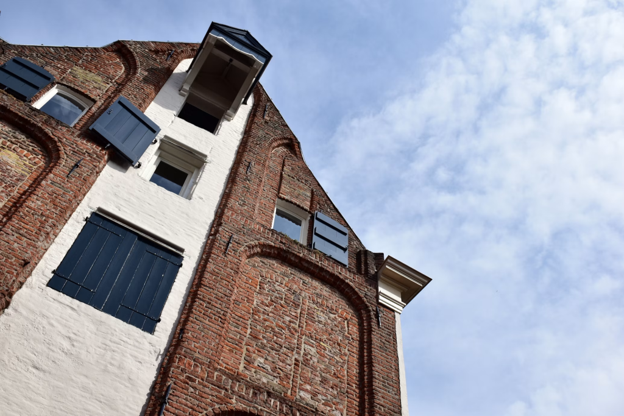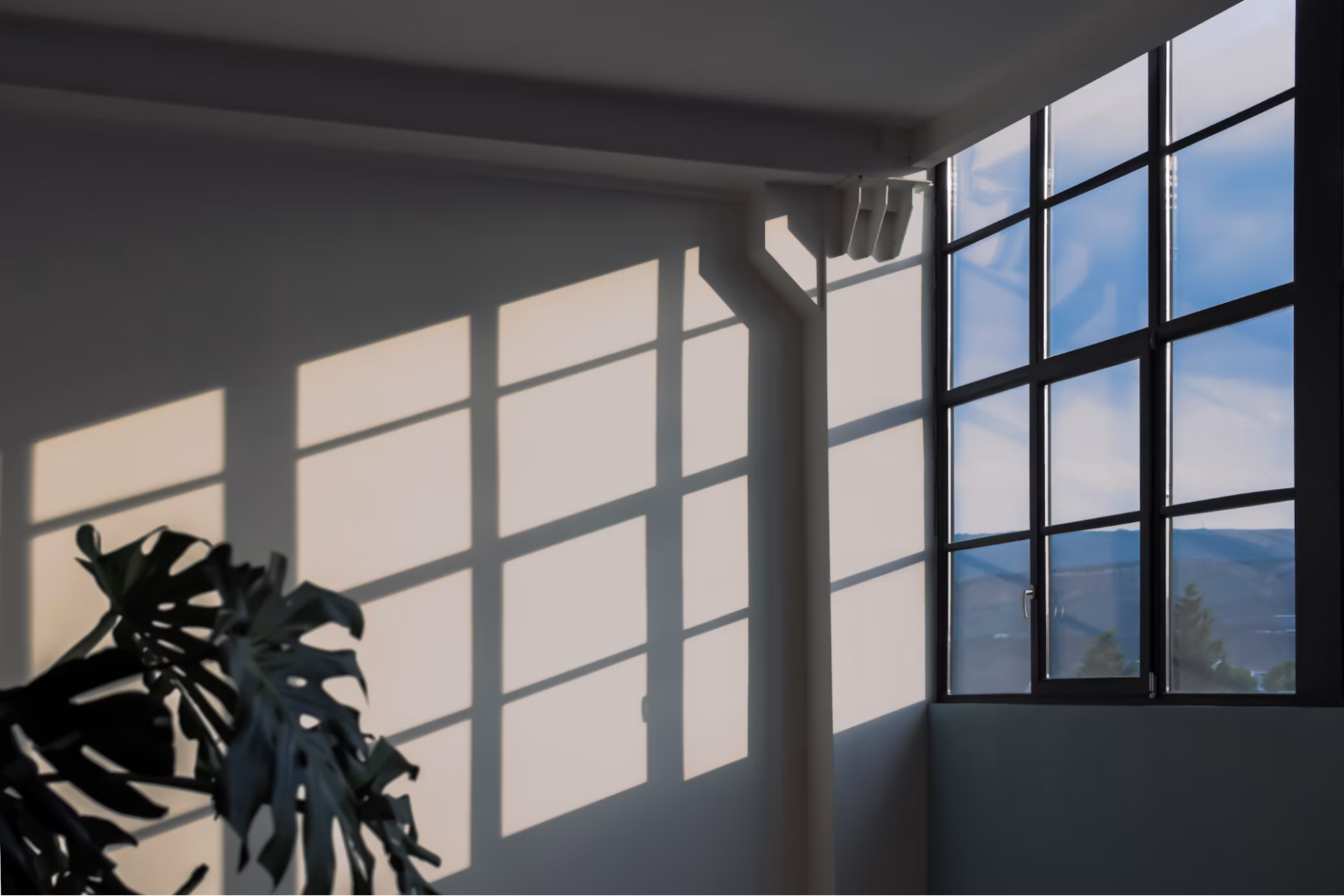
Whether you are expanding a rental property, building a dormer or planning a multi-unit residential project, success relies on careful attention to detail, and few details carry as much legal weight as your neighbour’s Right to Light.
Ignoring daylight rights can lead to severe project setbacks. Understanding the core concept, known in property law as the 50/50 rule, ensures your development remains legally sound, on schedule, and profitable.
What is the 50/50 rule?
Think of a room’s legal allowance of natural light like a bank account: as long as at least half the room stays illuminated, the space remains in credit, and no legal infringement has occurred.
Under English property law (specifically Section 3 of the Prescription Act 1832), any window that has enjoyed uninterrupted daylight for 20 years automatically acquires a legal easement to light. When evaluating whether a new structure causes an illegal obstruction, specialist surveyors measure the space using the 50/50 rule.
The “Grumble Point”
If at least 50% of a room receives 1 Foot Candle of illuminance (approx. 10.76 lux) at table height (850mm above the floor), the light remains legally adequate. Fall below that 50% threshold, and you cross what surveyors call the “grumble point” – giving your neighbour legal grounds to object.
Why landlords should pay attention
Developing or upgrading a property requires proactive risk management. Failing to account for Right to Light can impact your investment across three key areas:
- Preventing legal costs: Planning permission does not override private light rights. A court can issue an injunction to halt construction mid-build or even order the partial demolition of completed work. Alternatively, developers may be forced to pay significant compensation settlements that wipe out profit margins.
- Maximising development potential: Working with specialist Right to Light surveyors during the design phase allows you to adjust roof angles, setbacks or window positions early. This ensures you build the maximum rentable footprint without stepping across legal boundaries.
- Securing insurance & protecting yield: Insurers require 50/50 compliance reports before underwriting Right to Light indemnity policies. Furthermore, if a neighbouring project threatens light to your existing rental property, darker rooms can reduce tenant appeal, lower achievable rent, and reduce overall asset value.
Key action plan before breaking ground
| Stage | Essential Action | Primary Benefit |
|---|---|---|
| 1. Feasibility | Commission a Right to Light desktop survey | Identifies potential boundary risks before submitting planning applications. |
| 2. Design | Apply 3D daylight modelling | Adjusts rooflines and depths to stay safely above the 50/50 threshold. |
| 3. Protection | Obtain Right to Light Indemnity Insurance | Safeguards your financial outlay against unexpected third-party claims. |
| 4. Negotiation | Agree transparently with neighbours | Secures a formal Deed of Release or waiver where minor adjustments are required. |
Expert Portfolio Guidance from Belvoir Nottingham Central
Navigating property regulations requires experienced, local industry knowledge. Whether you are expanding an existing HMO or scaling your residential portfolio, our team provides hands-on management and strategic market advice to keep your investments secure.
Planning a build or reviewing your existing portfolio?
Contact Belvoir Nottingham Central today for expert property management, tenant matching, and tailored investment guidance.