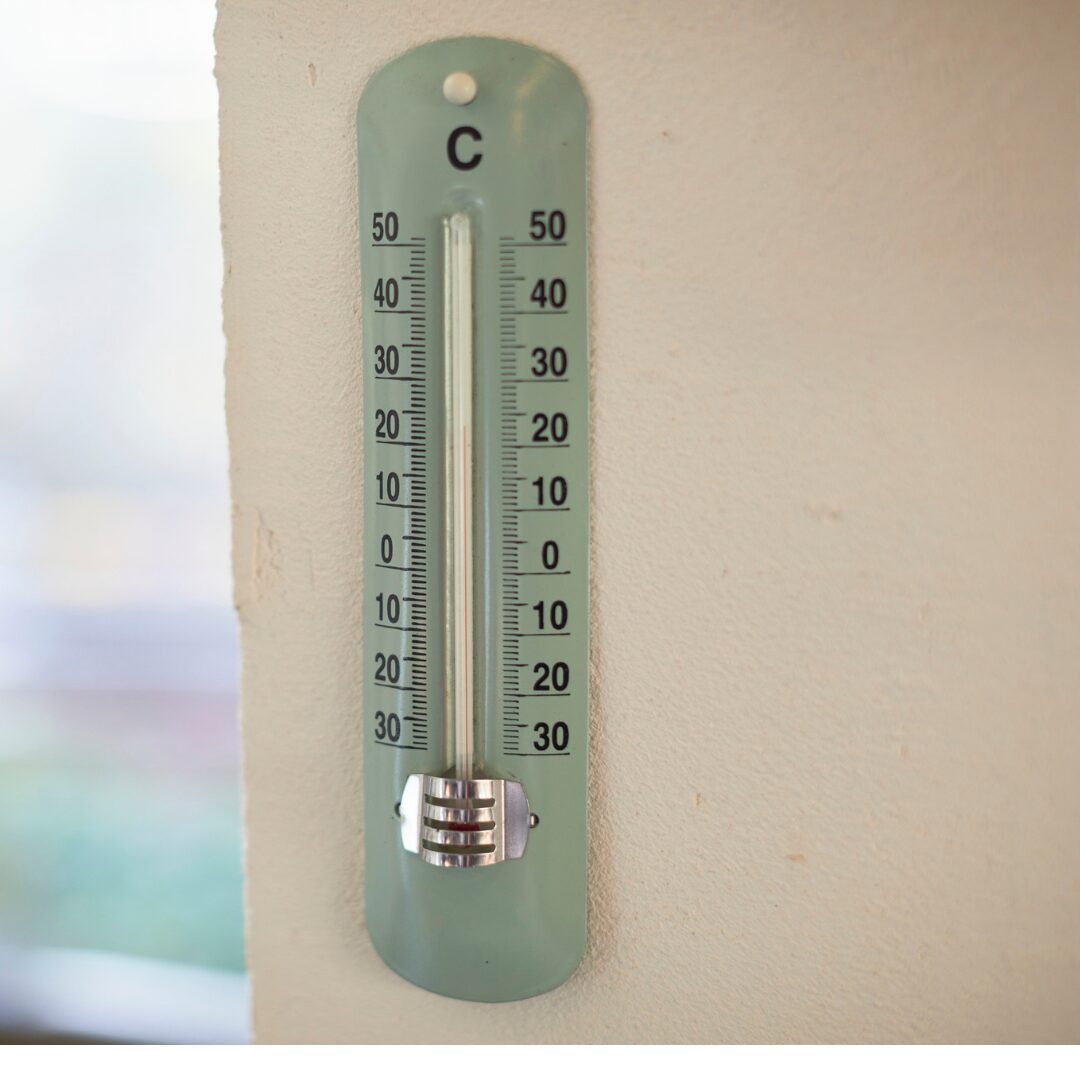
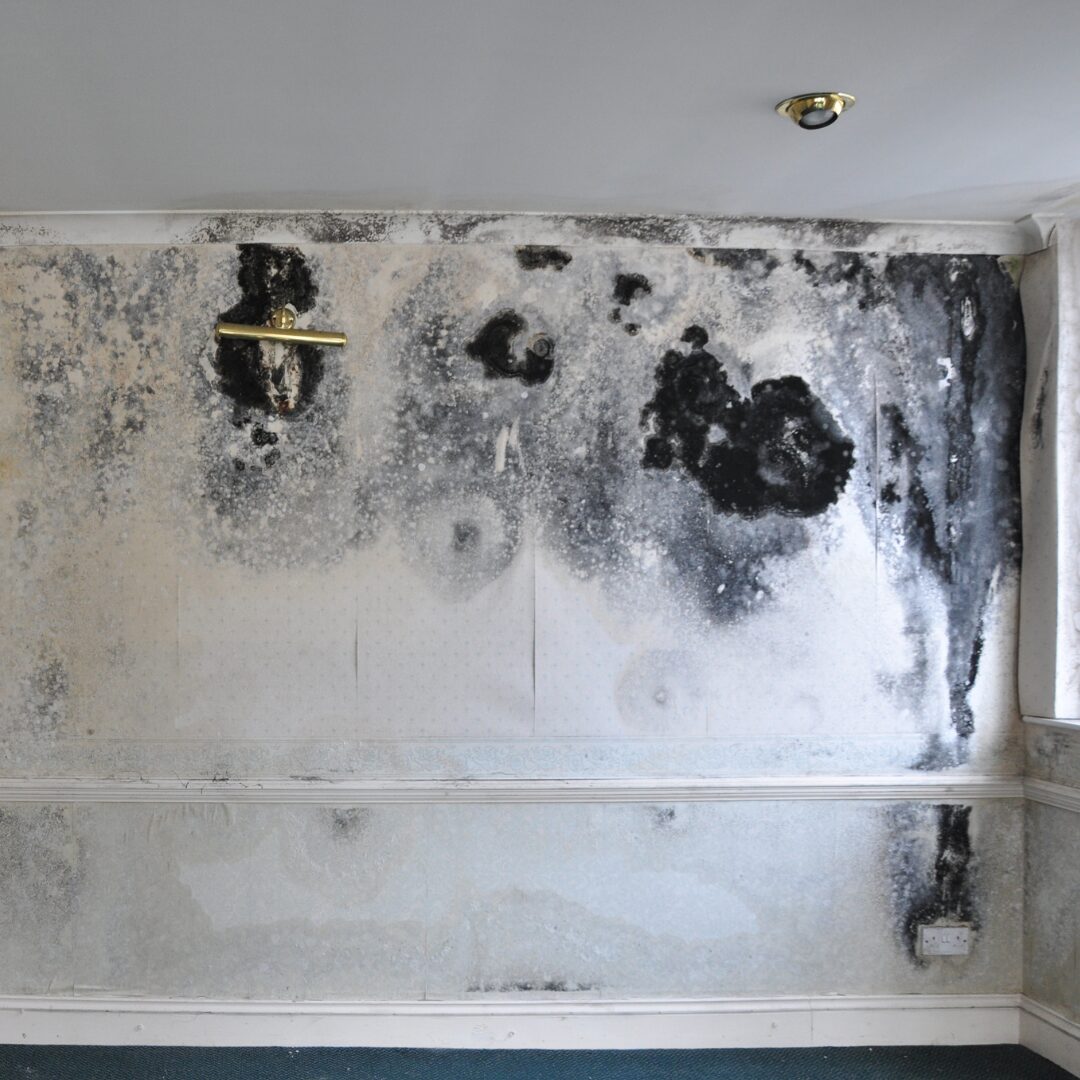
A temperature of 18°C (64°F) is generally considered the recommended minimum for a healthy, well-dressed person to avoid negative health effects like increased blood pressure or respiratory diseases, though younger, elderly, or unwell individuals may need warmer conditions. Temperatures below 13°C (55°F) increase the risk of cardiovascular problems, and prolonged cold can also lead to damp and mould, or even pipe damage.
Health Risks:
• Below 18°C:
Negative health impacts can occur, including increased blood pressure, a higher risk of blood clots, and diminished resistance to respiratory diseases.
• Below 13°C:
Risks to health become more significant, potentially increasing the likelihood of cardiovascular disease.
• Vulnerable groups:
Those aged 65 or over, individuals with reduced mobility, or people with health conditions like heart or lung disease require temperatures of 20-23°C for safety.
Property Risks:
Damp and Mould:
If the temperature is too low for too long, especially in humid environments, condensation can form, leading to damp and mould.
Freezing Pipes:
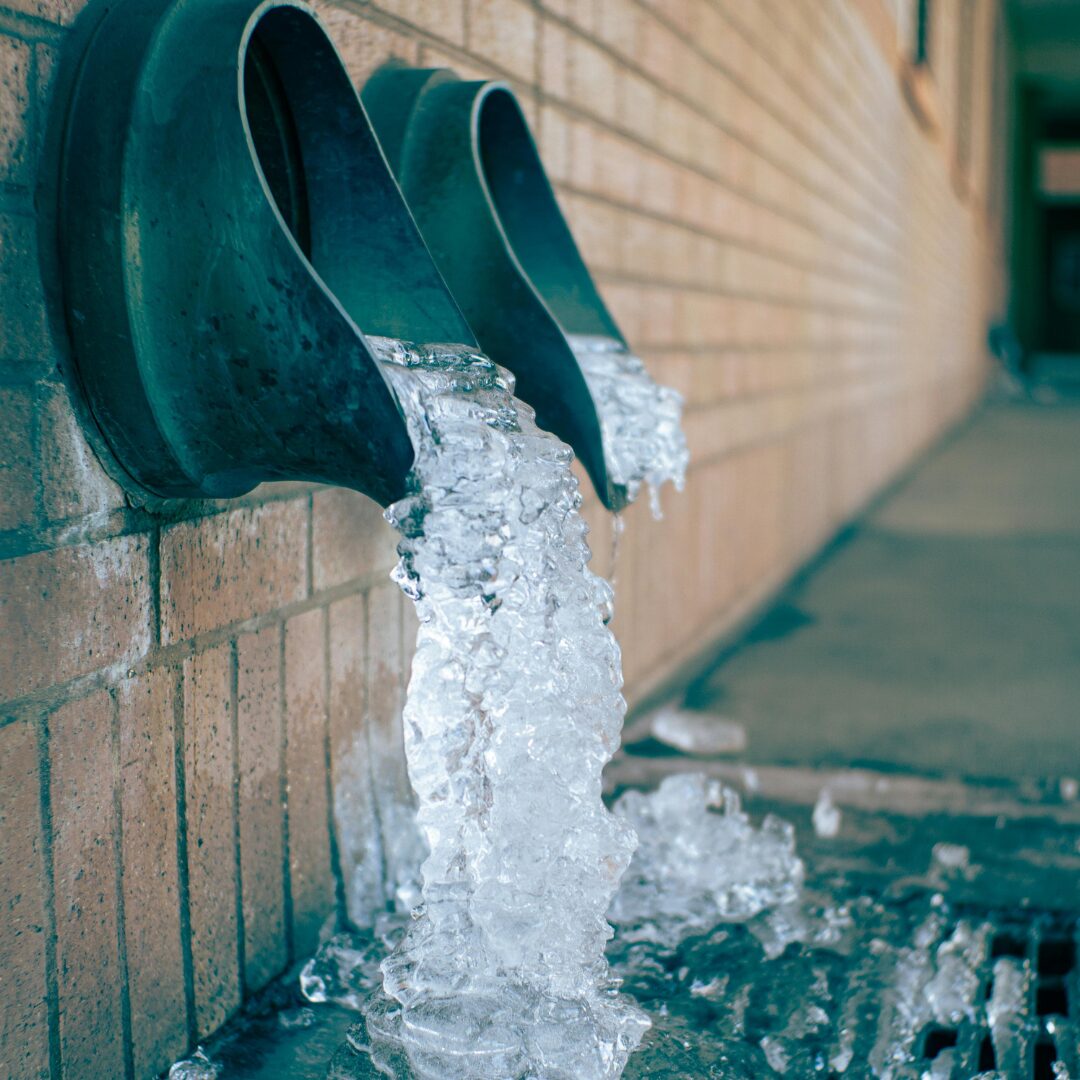
A temperature drop below 18°C can risk freezing water pipes, particularly those on exterior walls.