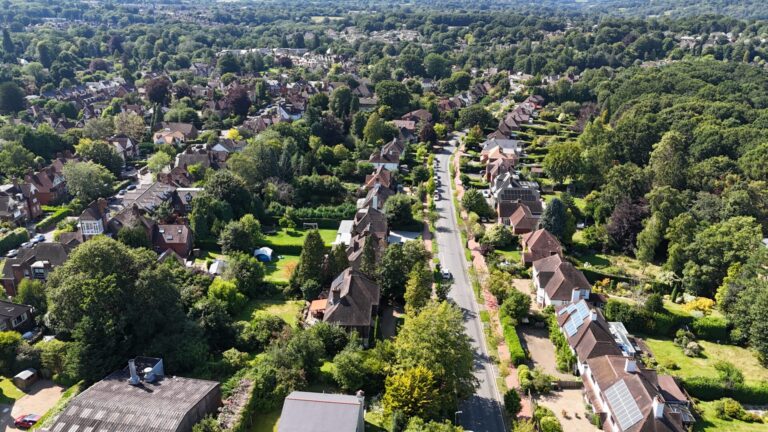

Tunbridge Wells is defined by its architecture. From the elegant period homes around Calverley Park to the grand terraces and villas found throughout the town’s conservation areas, character properties play a central role in the local market. They attract buyers and tenants who value craftsmanship, history and a sense of place.
As we move into 2026, however, many owners of listed or heritage homes are facing a new concern. Stricter EPC expectations, alongside updated Local Plan restrictions on extensions and alterations in conservation areas, are creating uncertainty. Owners are asking how they can modernise their homes to meet today’s standards without damaging the very character that makes them desirable.
At Belvoir Tunbridge Wells, we’re seeing this concern particularly among landlords and investors exploring buy to let in Tunbridge Wells. The good news is that heritage protection and modern performance do not have to be in conflict. With the right approach, it is possible to future-proof a period home while preserving its value and appeal.
Why 2026 Feels Different for Heritage Property Owners
Period homes have always required a more considered approach to maintenance and improvement. What feels different in 2026 is the convergence of two pressures.
On one side, energy efficiency expectations are rising. Tenants and buyers are more conscious of heating costs, comfort and EPC ratings than ever before. On the other, Tunbridge Wells’ Local Plan places clear limits on extensions, height increases and external alterations in conservation areas.
For owners of listed or heritage properties, this can feel like being pulled in two directions. Improve efficiency too aggressively, and you risk harming character. Do too little, and you risk falling behind market expectations.
Understanding the Role of EPCs in Period Homes
EPCs remain an important part of the property landscape, even for older buildings. However, it’s important to understand how they are interpreted in the context of heritage homes.
Buyers and tenants in Tunbridge Wells are generally realistic. They do not expect a Georgian townhouse or Victorian villa to perform like a new-build. What they do expect is evidence that the property has been cared for and adapted sensibly.
An EPC that shows thoughtful improvements, even if it does not reach the highest bands, often reassures buyers and tenants that the home is manageable and future-ready.
Local Plan Restrictions and What They Mean in Practice
Tunbridge Wells’ conservation areas are protected for good reason. Controls on extensions, roof alterations and external changes are designed to preserve the town’s historic streetscape.
For owners, this means that large-scale changes are often limited or prohibited. However, these restrictions do not prevent all forms of improvement. In fact, many of the most effective energy upgrades for period homes are internal and discreet, requiring minimal or no external alteration.
Understanding where flexibility exists within the Local Plan is key to making the right decisions.
Internal Improvements That Respect Historic Character
For many heritage homes, the most successful upgrades happen quietly, behind the scenes. Internal wall insulation, where appropriate and using breathable materials, can improve thermal performance without altering external facades.
Similarly, careful upgrades to heating systems and controls can deliver meaningful efficiency gains while leaving original features untouched. These improvements often have a greater impact on comfort and running costs than visible structural changes.
From a buyer or tenant perspective, the result matters more than the method. Warmer rooms and predictable energy bills speak louder than technical specifications.
Windows, Glazing and Conservation Sensitivity
Original windows are a defining feature of many Tunbridge Wells period homes. Replacing them outright is often restricted and rarely welcomed by heritage-minded buyers.
Secondary glazing or heritage-appropriate slimline glazing solutions can offer a compromise. These approaches improve heat retention and reduce noise while preserving the appearance of original frames.
Buyers and tenants increasingly appreciate these solutions because they address practical concerns without undermining character.
Balancing Modern Comfort With Visual Integrity
One of the biggest fears owners express is that modernisation will strip a property of its charm. In practice, the opposite is often true when upgrades are handled sensitively.
Homes that combine original fireplaces, cornicing and floorboards with discreet modern systems tend to feel both authentic and comfortable. This balance is especially important in Tunbridge Wells, where buyers actively seek period features but still expect modern living standards.
What This Means for Buy-to-Let Investors
For landlords considering or already involved in buy to let in Tunbridge Wells, heritage properties remain a strong proposition. Demand for character homes is consistent, particularly among professional tenants and downsizers who value location and aesthetics.
However, tenants in 2026 are also cost-aware. They ask about heating efficiency, insulation and comfort. Landlords who can demonstrate thoughtful improvements often find it easier to justify rents, retain tenants and reduce void periods.
Importantly, energy efficiency upgrades can also protect landlords from future regulatory pressure, reducing the risk of rushed or costly compliance work later.
Avoiding the Trap of Over-Modernisation
Not every upgrade adds value. Over-modernising a heritage property can be just as damaging as neglecting it.
Buyers in Tunbridge Wells are quick to spot inappropriate materials or alterations that feel out of place. Glossy finishes, poorly considered layouts or the removal of original features can reduce appeal rather than enhance it.
A measured approach, guided by local knowledge and conservation principles, helps ensure improvements support long-term value.
Preparing a Heritage Home for the 2026 Market
Preparation is about understanding what your specific property needs, not applying a one-size-fits-all solution. This includes reviewing the current EPC, understanding Local Plan constraints and considering which improvements offer the best balance of compliance and character.
For many owners, the goal is not perfection, but progress. Demonstrating that a home has been upgraded thoughtfully can be enough to reassure buyers and tenants.
Why Local Insight Matters in Tunbridge Wells
National guidance on EPCs and heritage properties can only go so far. Tunbridge Wells has its own market dynamics, buyer expectations and conservation sensitivities.
Local insight helps identify which upgrades are likely to be well received, which permissions may be required, and how improvements affect value in specific neighbourhoods such as Calverley Park.
This is particularly important for landlords weighing up investment decisions.
Looking Ahead With Confidence
Heritage homes have always required care and consideration. In 2026, that remains true – but it does not mean owners are stuck.
With the right advice and a clear plan, period properties can be modernised in ways that respect their past and secure their future. Buyers and tenants continue to value character, especially when it is paired with comfort and efficiency.
How Belvoir Tunbridge Wells Can Help
At Belvoir Tunbridge Wells, we understand that owning a heritage property is about more than bricks and mortar. It’s about stewardship, long-term value and making decisions that feel right.
Whether you’re exploring buying to let in Tunbridge Wells or planning the next chapter for a character home, our free, no-obligation valuation and property review helps you understand how 2026 standards interact with heritage considerations in the local market. We provide clear, practical guidance rooted in local experience – so you can modernise with confidence, without compromising what makes your property special.Contact us
Because with Belvoir, property is personal – especially when it comes with history.