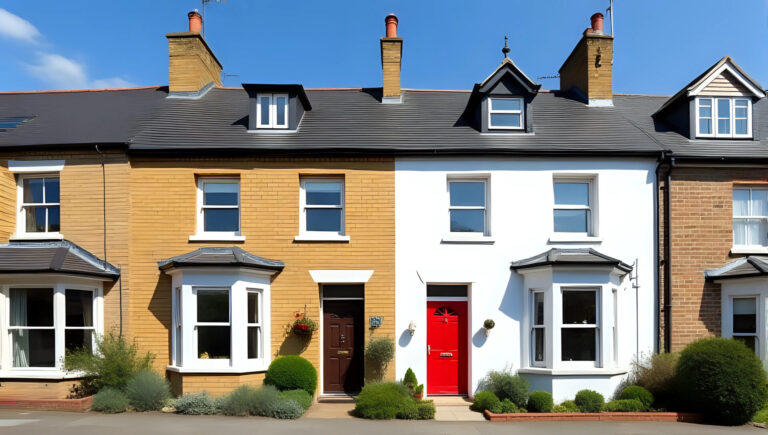

St Helens is changing — and for property owners, that change could be good news. With multi-million-pound regeneration projects reshaping the town centre, expanding leisure options, and creating new employment hubs, the local property market is starting to reflect the town’s growing potential.
Whether you’re thinking of selling your home in St Helens, investing in a buy-to-let, or simply keeping an eye on the market, it’s worth understanding what impact regeneration is having on property prices as we move through 2026.
What regeneration is happening in St Helens?
In recent years, St Helens Council has launched one of the most ambitious regeneration programmes in the North West. It’s part of the broader Borough Strategy, and the changes now underway are expected to have a lasting effect on local infrastructure, employment and desirability.
Key projects include:
1. St Helens town centre transformation
A complete reimagining of the town centre is already in motion, including a new market hall, green public spaces, retail improvements, and enhanced transport links. The first phases began in 2023 and are continuing through 2026.
2. Glass Futures
One of the most high-profile developments is the opening of the Glass Futures Centre — a world-leading research and innovation facility for sustainable glass manufacturing. This has brought skilled jobs, national media attention and a wave of new interest in nearby property.
3. Bold Forest Garden Suburb
This proposed development will include new homes, green corridors and community spaces, designed to meet housing demand while supporting biodiversity and healthier living.
4. Transport and infrastructure upgrades
Investment in rail connections, active travel routes and local road improvements continues to support regeneration goals.
These changes aren’t just cosmetic — they’re helping to future-proof St Helens, stimulate the economy and attract more buyers, renters and businesses to the area.
How regeneration impacts property values
Regeneration typically has a ripple effect on the local housing market. When areas improve, demand rises. This leads to:
- Increased buyer interest in surrounding neighbourhoods
- Higher resale values as the area’s profile improves
- Better rental yields due to growing tenant demand
- Greater confidence from lenders and investors
In St Helens, these effects are becoming visible.
For example, proximity to the Glass Futures project has increased desirability in nearby streets and suburbs, especially for professionals and contractors linked to the industry. Similarly, properties within walking distance of the revitalised town centre are being viewed more positively by buyers who previously preferred outlying villages.
Is now a good time to sell in St Helens? Absolutely, if you own in a regeneration hotspot.
Property price trends in St Helens (2024 to 2026)
According to the latest data from Rightmove and Zoopla:
- The average house price in St Helens rose by 6.8% between January 2024 and January 2026
- Semi-detached homes now average £172,000, up from £161,000 two years ago
- Terraced properties (particularly around Thatto Heath and Parr) have seen a 9% increase in value
- Flats remain relatively affordable, but interest is growing in new-build and converted stock
The highest price growth has been seen in areas near the town centre regeneration and Glass Futures site. Buyers looking to capitalise on future potential are targeting these areas in anticipation of continued improvement.
From an investor’s perspective, rental yields are holding strong — especially for two-bedroom homes in central and southern parts of the town.
Thinking about selling your home in St Helens? Find out how much it could be worth today with a free valuation.
Best-performing areas and buyer preferences
While prices are rising across the borough, some areas are performing better than others:
- Eccleston: Always popular for families, this suburb has seen steady growth with added interest from buyers priced out of Warrington and Rainhill
- Thatto Heath: Close to the train station and now benefiting from improved links and local amenities
- Parr and Peasley Cross: Previously overlooked, these areas are attracting first-time buyers and investors due to affordability and proximity to the town centre
- Dentons Green: Known for its schools and community feel, demand has remained consistent
Buyers in 2026 are looking for:
- Modernised interiors and energy efficiency
- Parking or EV charging potential
- Access to green space and transport
- Properties with minimal work required
Regeneration has shifted preferences slightly, with more people prioritising walkability and proximity to town centre amenities than in previous years.
Is now a good time to sell in St Helens?
For many homeowners, the answer is yes.
With regeneration in full swing, St Helens is drawing attention from buyers who may not have considered the area in the past. Low stock and rising demand are contributing to upward pressure on prices.
Selling now means:
- Taking advantage of current market strength before interest rates shift
- Avoiding competition from future new-builds
- Appealing to buyers who want to move in before further price increases
If you’re upsizing, relocating or selling an investment, it’s worth getting an updated valuation. Even if you sold within the last few years, you may be surprised how much more your property is worth today.
Unsure if it’s the right time to sell your home in St Helens? Chat to our local team for honest, no-obligation advice.
What it means if you’re a landlord or investor
Landlords in St Helens are in a strong position. Regeneration is pushing tenant demand higher, especially near the town centre and Glass Futures employment zones.
Key considerations for landlords include:
- Rental yields remain between 5% and 7% in many parts of town
- Tenants increasingly want well-presented homes with modern energy ratings
- EPC requirements mean some older properties may need upgrading to stay competitive
- Short void periods and strong demand make now a good time to expand portfolios
For landlords who are unsure whether to hold or sell, the current market offers flexibility. Selling can release strong returns, while holding provides ongoing income with rising rents.
Need help future-proofing your St Helens rental? Our team can help you assess your options for 2026 and beyond.
The long-term outlook for St Helens property
Looking ahead, most analysts agree that St Helens is in a growth phase. Regeneration is expected to continue into the 2030s, with:
- Further retail and hospitality investment in the town centre
- Continued housing developments across the borough
- Green space improvements and enhanced transport corridors
This is attracting not only first-time buyers and families but also remote workers relocating from higher-priced parts of the North West.
Compared to neighbouring areas like Warrington or Wigan, St Helens still offers excellent value — but that gap is narrowing. If you’re considering a sale or purchase, acting now allows you to benefit before prices catch up.
Conclusion
St Helens is being transformed — and property owners are starting to see the rewards. Whether you’re thinking of moving, investing or just planning ahead, it’s clear that regeneration is having a tangible impact on the local market.
With prices rising, demand strengthening and infrastructure improving, 2026 is shaping up to be a pivotal year for the town.
At Belvoir St Helens, we’re not just watching the changes — we’re part of them. Our team works closely with local sellers, buyers and landlords to help them navigate the opportunities this regeneration brings.
Ready to explore your property’s potential? Book a free consultation with Belvoir St Helens today.