Buy-to-let in Wednesbury has entered a new phase in today’s market. December 2025 data showed a clear trend: houses are outperforming flats, with average yields around 5.5% and rising. In the first quarter of 2026, rents on 2–3 bed terraced houses have grown by 5.8%, outpacing much of the local apartment market. For landlords with ageing flat portfolios, this is a moment to pause and reassess. The numbers suggest that a strategic pivot into traditional houses near Wednesbury’s marketplace and surrounding streets could improve both income and long-term resilience.
At Belvoir Wednesbury, we combine national strength with local expertise, always remembering that property is personal. That means helping landlords make informed, evidence-based decisions, not reacting to headlines.
What the December 2025 data revealed
Our December 2025 rental review highlighted a widening performance gap between flats and houses. While many one-bedroom and older two-bedroom flats saw stable but modest rent increases, demand for family-sized terraced houses accelerated. Average gross yields for houses reached 5.5%, with certain well-presented 2–3 bed terraces achieving even stronger returns. Early 2026 figures show rents rising by 5.8% in this segment, driven by limited supply and steady tenant demand.
Flats still play an important role in the Wednesbury market. However, growth momentum has shifted. Houses are currently leading.
Why houses are outperforming flats
There are several reasons behind this shift in buy-to-let Wednesbury performance.
First, tenant preferences have evolved. Many renters now prioritise space, private gardens and flexible layouts. A two or three-bedroom terraced house offers room for homeworking, storage and family life in a way that older flats often cannot.
Second, service charges and maintenance costs can erode flat yields. As blocks age, communal repairs and compliance upgrades increase. In contrast, a well-maintained terraced house typically provides clearer control over costs.
Third, supply is tighter. Fewer landlords are selling houses compared with flats, which keeps competition strong among tenants.
The case for 2–3 bed terraces near the marketplace
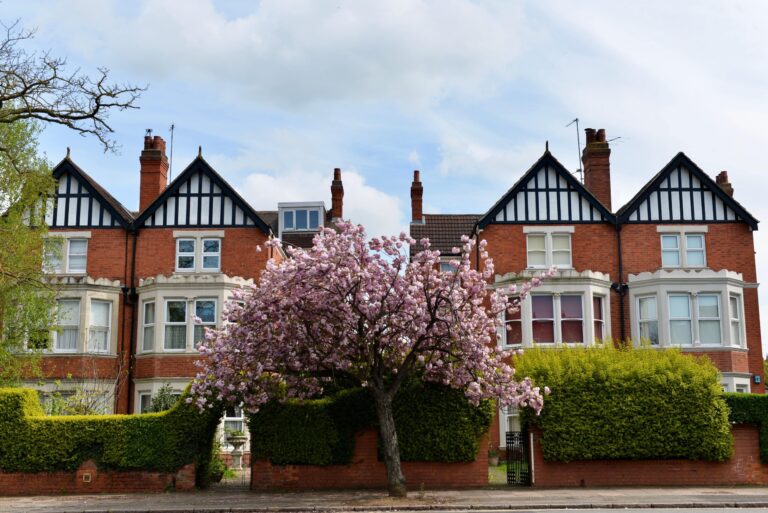
The streets surrounding Wednesbury marketplace, along with parts of WS10, are proving particularly resilient. Traditional terraced houses here offer proximity to shops, transport links and schools, while remaining affordable compared with neighbouring towns.
For landlords considering a pivot, these properties present a balanced proposition. Purchase prices remain accessible, yet rental demand is consistent. When refurbished to a good standard, 2–3 bed terraces can achieve competitive monthly rents aligned with the 5.8% growth seen in early 2026. Location remains key. Tenants value walkable access to amenities and straightforward commuting routes to West Bromwich, Wolverhampton and Birmingham.
Understanding the “pivot” strategy
A pivot does not mean selling everything overnight. It means reviewing your portfolio with clear objectives.
If you hold multiple ageing flats with limited rent growth and rising service charges, you may consider recycling equity. Selling one underperforming asset and reinvesting into a higher-yielding house can strengthen overall portfolio performance. This approach is not about chasing trends. It is about aligning your assets with current demand patterns and realistic long-term projections.
Belvoir’s values emphasise being helpful, knowledgeable and proactive. That means assessing your numbers carefully before making structural changes.
Comparing income potential in 2026
Let us look at a simplified comparison.
An older flat purchased several years ago may now generate a steady but modest yield once service charges, ground rent and maintenance are deducted. Rent growth in this segment has been stable but not accelerating. By contrast, a 2–3 bed terraced house purchased at today’s market value, refurbished and marketed correctly, may achieve a gross yield of 5.5% or higher. With rents rising by 5.8% in early 2026, income potential is currently stronger in this bracket.
While capital growth cannot be guaranteed, houses in established residential streets often benefit from broader buyer demand should you decide to sell in the future.
Tenant demand driving the surge
Tenant profiles in Wednesbury are evolving. Families, couples and professionals seeking extra space are actively competing for well-presented houses.
Many tenants who previously opted for flats are now willing to pay a premium for private outdoor space and separate bedrooms. This shift has tightened availability in the terraced housing market.
For landlords, this creates opportunity. High demand reduces void risk, provided properties are priced realistically and maintained to a good standard.
Risk management and compliance
Any portfolio shift must consider compliance and regulation. Houses may require updated EPC ratings, electrical certificates and gas safety checks. However, they do not usually involve leasehold complexities or block management arrangements. With potential changes to rental legislation on the horizon, having direct control over your asset can simplify management. Fewer third-party stakeholders can mean clearer decision-making.
Belvoir Wednesbury ensures landlords remain compliant and informed, offering full-service property management that protects your investment.
Book a free valuation with us today
Timing your move
The first half of 2026 presents favourable conditions for reviewing your portfolio. Rent growth in the housing segment is visible and measurable. Buyer demand for smaller flats has stabilised, which may allow you to exit selectively without heavy discounting. A careful, staged approach is often best. Analyse performance property by property. Identify which flats are underperforming due to layout, condition or service charge pressure. Explore local comparables for terraced houses in strong letting locations.
Acting with data rather than emotion supports better long-term outcomes.
Optimising performance in houses
Acquiring a terraced house is only part of the strategy. Presentation and management matter.
Focus on practical improvements that appeal to today’s tenants. Neutral décor, modern kitchens, efficient heating systems and outdoor space improvements can justify stronger rents. Ensuring EPC ratings meet or exceed current expectations protects future compliance. Clear marketing, accurate pricing and responsive management reduce void periods and maintain tenant satisfaction.
Looking ahead for buy-to-let in Wednesbury
Markets move in cycles. Today, the evidence shows houses are leading in Wednesbury. That may not always be the case, but understanding current dynamics allows you to adapt.
Buy-to-let in Wednesbury remains attractive due to its transport links, local amenities and relative affordability within the West Midlands. Within that wider market, 2–3 bed terraced houses near the marketplace are currently outperforming older flat stock.
At Belvoir, property is personal. Your portfolio represents years of planning, effort and financial commitment. Any pivot should be guided by careful analysis and local expertise.
If you would like a tailored portfolio review or rental appraisal for houses in WS10, speak to the Belvoir Wednesbury team. Together, we can help you capture the 5.8% surge and position your investments for stronger performance in 2026 and beyond.