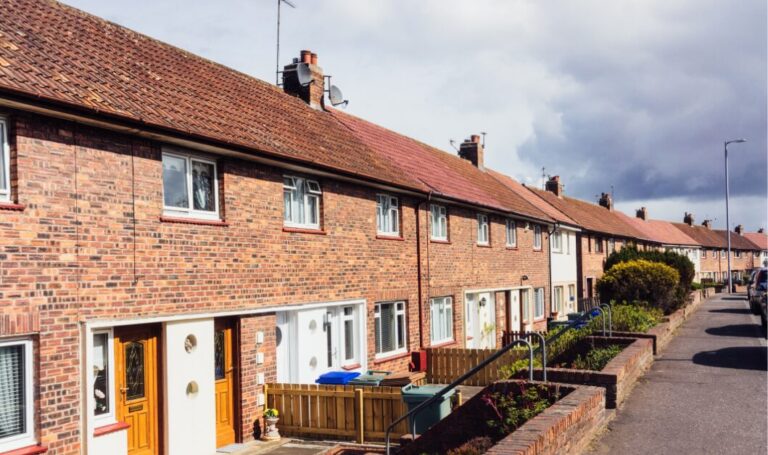

Downsizing has become an increasingly common conversation among homeowners in recent years. Rising living costs, lifestyle changes and shifting priorities have led many people to ask whether moving to a smaller home could be the right next step.
While downsizing can offer clear benefits, it is not without its challenges. In today’s housing market, the decision requires careful thought, particularly as supply, pricing and buyer demand continue to evolve in 2026.
Related: What the Base Rate Cut Could Mean for the Property Market in 2026
Why many homeowners are considering downsizing
For many, downsizing is driven by a desire for simplicity. A smaller property often means lower running costs, less maintenance and a home that better suits current needs rather than past ones.
Some homeowners are also motivated by financial flexibility. Releasing equity can help fund retirement plans, support family members or provide greater financial security. Others are simply looking for a home that feels more manageable as their lifestyle changes. However, while these motivations are understandable, it is important to look at the full picture before making a decision.
The benefits of downsizing
Reduced running costs
One of the most obvious advantages of downsizing is lower day-to-day costs. Smaller homes typically mean reduced energy bills, council tax and maintenance expenses. In a market where energy efficiency continues to matter, a modern or smaller property can be easier to manage financially.
Releasing equity
Selling a larger home and buying something smaller can free up capital. This equity may be used to supplement income, invest elsewhere or simply provide peace of mind. For some homeowners, this financial breathing space is a major benefit.
A lifestyle better suited to now
Downsizing often aligns with lifestyle changes. A home closer to amenities, transport links, or family can improve quality of life. Many downsizers prioritise convenience over space, choosing location and ease over extra rooms they no longer use.
The potential downsides to consider
Limited choice in the right locations
One of the biggest challenges downsizers face in 2026 is availability. In many areas, demand for smaller homes such as bungalows, apartments and compact houses continues to outweigh supply. This can limit choice and, in some cases, push prices higher than expected.
Moving costs can reduce the financial gain
While downsizing can release equity, costs should not be overlooked. Stamp Duty, legal fees, surveys and moving expenses can all reduce the net financial benefit. It is important to calculate the full picture rather than focusing on headline figures alone.
Adjusting to less space
Downsizing often requires practical and emotional adjustment. Letting go of possessions, rethinking storage and adapting to a smaller living environment can be challenging. For some, the process feels liberating. For others, it can feel restrictive.
Emotional ties to the familyhome
Many homes carry years of memories, and leaving them behind can be harder than expected. This emotional factor is often underestimated and can influence how comfortable someone feels with their decision long after the move is complete.
How the current market affects downsizers
In 2026, the housing market remains highly localised. While overall activity is steady, competition for well-located, low-maintenance properties is strong in many areas. This means downsizers need to be realistic about pricing and prepared to move quickly when the right opportunity arises.
At the same time, larger family homes continue to attract interest from upsizers, which can work in a downsizer’s favour when selling. Understanding how these dynamics play out locally is key to timing a move successfully.
Related: What the Base Rate Cut Could Mean for the Property Market in 2026
Is downsizing always the right answer
Downsizing is not a one-size-fits-all solution. For some homeowners, it delivers financial freedom and a lifestyle better suited to their needs. For others, the costs, compromises or emotional impact outweigh the benefits.
Alternative options, such as reconfiguring an existing home or moving to a different area without significantly reducing size, may sometimes be worth exploring.
Getting the right advice before you decide
Deciding on downsizing should be based on clear information rather than assumptions. Understanding your current home’s value, the cost of buying again, and what is realistically available in your preferred area can help you decide with confidence.
At Belvoir, our local teams work closely with homeowners to explore all options. Whether downsizing is part of your plan now or something you are considering for the future, expert local advice can help you weigh the pros and cons and choose the path that works best for you.
If you are thinking about your next move and want to understand whether downsizing makes sense in today’s market, speak to your local Belvoir branch for tailored guidance and practical support.