Ipswich is experiencing a transformative period that’s reshaping the local property landscape in ways not seen for decades. With the government’s £63 million commitment to upgrading the A12 corridor and the ambitious £5 million Waterfront regeneration programme now underway, homeowners and investors across IP postcodes are asking the same question: what will this mean for Ipswich property values?
The answer is both immediate and long-term. Infrastructure investment of this scale doesn’t just improve daily life for residents, it fundamentally alters the economic prospects of entire neighbourhoods. For those considering buying, selling, or investing in Ipswich property, understanding these developments is essential to making informed decisions in today’s market and the years ahead.
The £63 million A12 upgrade: transforming connectivity
The A12 has long been the economic artery of Ipswich, connecting the town to London, Cambridge, and the wider East of England. The recent announcement of a £63 million upgrade programme represents one of the most significant infrastructure investments in Suffolk’s recent history, and its impact on Ipswich property values is already becoming evident.
Which areas benefit most from improved A12 access?
Eastern suburbs, particularly those within the IP2 and IP5 postcodes, stand to gain considerably from enhanced A12 connectivity. Neighbourhoods like Rushmere St Andrew, Kesgrave, and Martlesham Heath have already proved popular with commuters working in London and Cambridge, but improved journey times and reduced congestion will make these areas even more attractive.
Properties in these postcodes typically offer more space and greenery compared to central Ipswich, making them ideal for families and professionals seeking a better work-life balance. The A12 improvements reduce one of the few drawbacks these locations previously faced, the occasional bottleneck during peak commuting hours.
Impact on commuter demand and rental yields
Ipswich has increasingly positioned itself as a viable alternative to more expensive East Anglian towns for London commuters. With direct trains to Liverpool Street taking just over an hour, and now improved road links via the upgraded A12, the town offers compelling value for money.
For buy-to-let investors, this translates to sustained rental demand from young professionals and families who want period features, garden space, and good schools without London price tags. Properties near major A12 junctions, particularly around the Copdock interchange, are seeing increased interest from tenants who value flexible working arrangements that include both home working and periodic office attendance in the capital or Cambridge.
Waterfront regeneration: Ipswich’s £5 million transformation
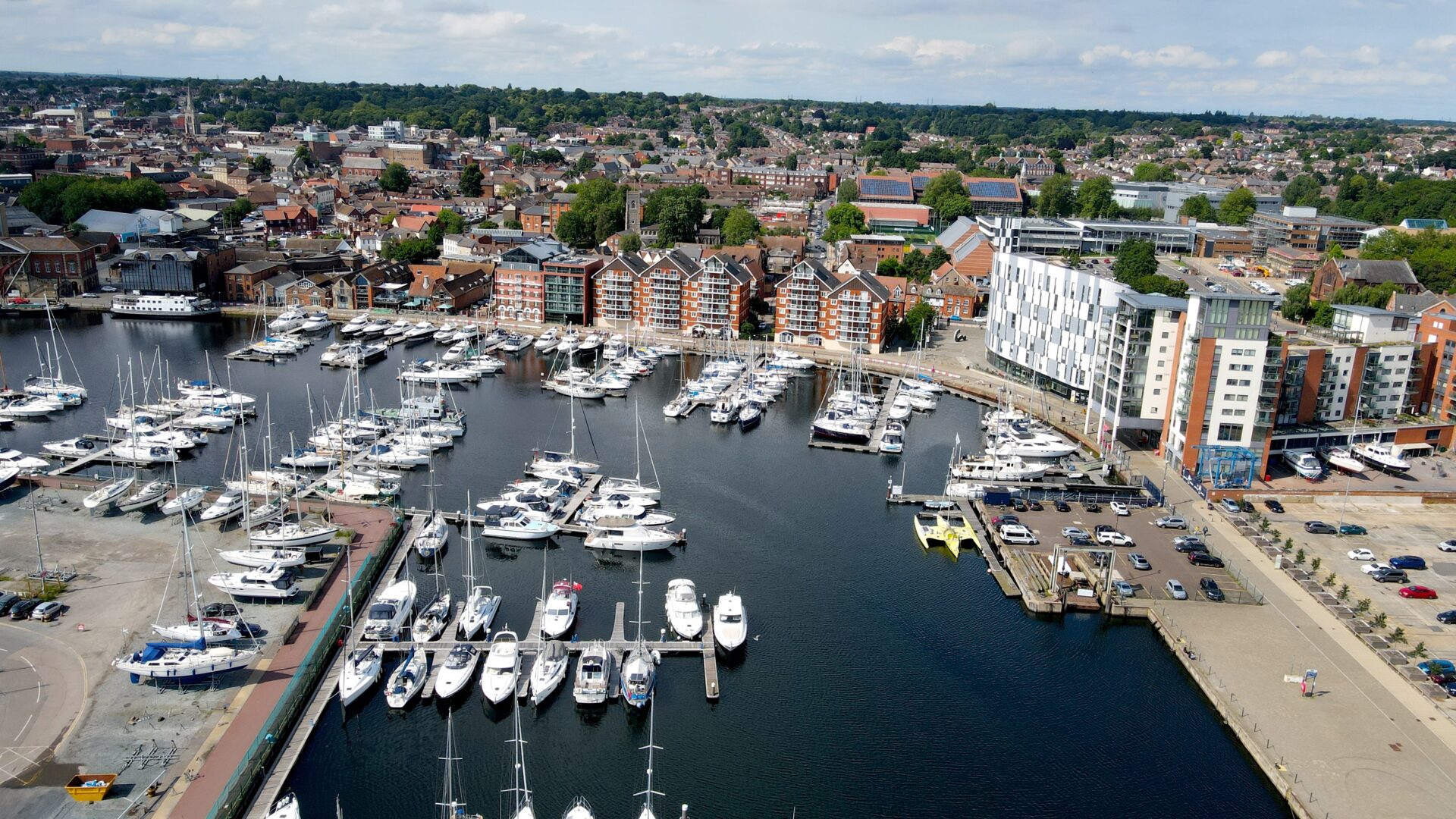
While the A12 upgrade addresses connectivity, the Waterfront regeneration programme is reimagining Ipswich’s identity as a vibrant, modern town with cultural and leisure appeal. The £5 million investment includes the notable CLAY 1A project, which is bringing new life into the historic wet dock area.
The CLAY 1A project and cultural renaissance
The CLAY 1A development represents more than just physical regeneration, it’s a statement of intent about Ipswich’s future. This creative and cultural hub is attracting artists, independent businesses, and a younger demographic that values authenticity and community over generic high-street offerings.
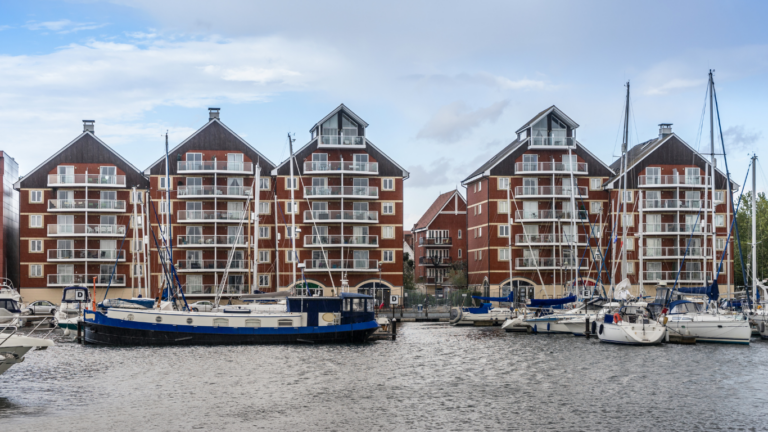
For the IP1 postcode area, particularly properties within walking distance of the Waterfront, this cultural renaissance is already proving transformative. Apartments and townhouses near the marina, along St Peter’s Dock and the Neptune Marina, are experiencing renewed interest from buyers who previously might have overlooked Ipswich in favour of Norwich or Colchester.
Residential appeal of waterside living
The Waterfront area offers a lifestyle proposition that’s rare in East Anglia, genuine waterside living with marina views, waterfront dining, and cultural venues like Dance East and the University of Suffolk campus, creating year-round activity. Properties in developments such as Regatta Quay and Island site conversions have historically held their value well, and the current regeneration programme is strengthening this trend.
Two and three-bedroom apartments with balconies overlooking the marina are particularly sought after by downsizers from larger family homes in suburbs like Stoke Park and Castle Hill, as well as young professionals seeking a lock-up-and-leave lifestyle with character.
How infrastructure investment affects Ipswich property values
Understanding the relationship between infrastructure investment and property values requires looking beyond immediate price movements to longer-term market fundamentals.
The ripple effect across IP postcodes
Major infrastructure projects create what economists call a “ripple effect” on property values. Areas directly adjacent to improvements see the first wave of price appreciation, followed by neighbouring postcodes as buyers seek value in up-and-coming locations.
In Ipswich, this pattern is already visible. IP1 properties near the Waterfront regeneration zone are seeing increased viewings and faster sales times. Meanwhile, IP2 areas like Broke Hall and California are attracting buyers who recognise the A12 improvements will enhance their daily commute while their property investment remains more affordable than premium IP1 locations.
Long-term value versus short-term speculation
It’s important to distinguish between sustainable value growth and speculative bubbles. The infrastructure improvements in Ipswich are government-backed, multi-year programmes with tangible completion timelines and measurable outcomes. This provides a solid foundation for steady, sustainable growth in Ipswich property values rather than the boom-and-bust cycles that characterise purely speculative markets.
Homeowners in areas like Chantry, Ravenswood, and Whitton can expect their properties to benefit from the overall improvement in Ipswich’s economic prospects and reputation, even if they’re not immediately adjacent to the A12 or Waterfront projects.
Where the current investment opportunities lie
For investors and homebuyers looking to capitalise on these developments, timing and location selection remain crucial.
Emerging hotspots to watch
The IP3 postcode area, particularly around Stoke Park and the borders with IP2, represents compelling value for buyers who understand the trajectory of Ipswich’s development. These neighbourhoods offer period properties with character, established communities, and excellent schools, while remaining more affordable than comparable properties in the town centre.
Similarly, the IP4 postcode covering areas like Sprites and Castle Hill provides opportunities for buyers seeking family homes with gardens within easy reach of both the town centre and A12 access points.
Buy-to-let considerations
The rental market in Ipswich remains robust, supported by the University of Suffolk, Ipswich Hospital, and numerous professional services firms in the town centre. Properties within a fifteen-minute walk of the waterfront or train station command premium rents from young professionals, while family homes near good primary schools in IP2 and IP5 attract longer-term tenants seeking stability.
The infrastructure improvements strengthen the fundamentals supporting rental demand, making Ipswich an attractive proposition for investors seeking steady yields in a market with genuine growth potential.
Making informed property decisions in Ipswich
The combination of the £63 million A12 upgrade and the £5 million waterfront regeneration creates a unique moment in Ipswich’s property market. These aren’t speculative projects or distant proposals; they’re funded, underway, and already influencing buyer behaviour and Ipswich property values. Book a free valuation with us.
Whether you’re a homeowner wondering about your property’s future value, a first-time buyer trying to choose the right neighbourhood, or an investor seeking opportunities in an emerging market, understanding these infrastructure developments is essential to making sound decisions.
The Ipswich property market offers something increasingly rare in the South East of England: genuine value combined with improving infrastructure and quality of life. As these major projects progress toward completion, the town’s appeal will only strengthen.
If you’re considering buying, selling, or investing in Ipswich property, now is the time to seek expert local guidance. At Belvoir Ipswich, we combine deep knowledge of every IP postcode with up-to-date market data and insights into how these infrastructure projects are shaping property values across the town. Get in touch with our team today for a no-obligation conversation about your property goals and how we can help you achieve them in this exciting period for Ipswich.