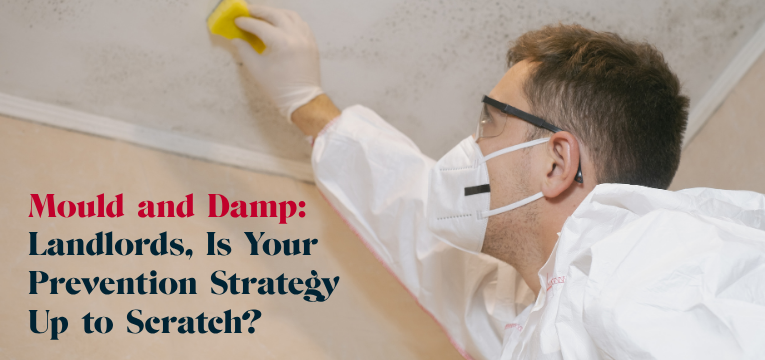
With plans in the pipeline to bring Awaab’s Law to the private rental sector, landlords need to prioritise damp and mould prevention.
The issue of mould and damp in rental properties is making headlines for all sorts of reasons this week.
First, it’s Damp and Mould Action and Awareness Week (October 19 to 25). The annual campaign reminds landlords and tenants of the causes and dangers of condensation and mould growth.
Then there’s the government’s new consultation on extending Awaab’s Law to private rented tenancies.
Awaab’s Law currently requires social landlords to address damp and mould issues within strict, fixed timescales (and is named after toddler Awaab Ishak, who died in a mould-ridden social housing flat).
The consultation is looking at how to introduce similar rules in the private sector.* (You can help shape this policy by responding to the consultation. Find out how at the end of this article.)
So why is mould such a hot topic in the housing sector, and how can landlords best prevent it? Let’s take a look.
Hazardous effects
Mould is ugly, smelly and, if left untreated, causes substantial structural damage. Even more importantly, prolonged exposure to it can lead to lung and breathing problems, skin and eye conditions and mental health issues. (The NHS spends billions every year treating illnesses linked to living in cold or damp housing.)
In extreme cases (such as Awaab’s), it can be fatal. Babies, young children, the elderly and the immunocompromised are most at risk.
What causes it?
Excess moisture and humidity, combined with poor ventilation, create fertile ground for mould spores to grow.
Prevention and management
Landlords have a duty to ensure their rental properties are safe to live in. This means keeping your property well-maintained, ensuring the boiler is in good working order and responding quickly to leaks or reports of damp or mould.
It’s also important to communicate effectively with tenants, as the most successful mould-prevention strategies rely on teamwork.
Remind tenants to open windows regularly and use extractor fans. (Ensuring good airflow and avoiding moisture build-up are critical.)
Also, explain that the steady, moderate use of heating in the colder months will help reduce condensation and dry out damp.
Furniture should not be pushed up directly against walls (leave a gap for the air to circulate) and air vents should never be covered or painted over.
Technology
You can also consider using tech to help improve air quality.
Hundreds of models of dehumidifiers are on the market at varying price points. These remove moisture from the air.
You can also buy humidity sensors that measure the moisture level in the air or invest in a positive ventilation system that continuously introduces fresh, filtered air into a home.
Of course, these products are not a substitute for good lifestyle habits and a thorough property management strategy.
Get an expert to help
Let us take the lead on managing your property portfolio. We can manage regular inspections and repairs so that you meet your regulatory and maintenance obligations.
*The consultation on extending Awaab’s Law to private rented tenancies closes mid-December. Have your say here https://tinyurl.com/2sdvdmm8.